

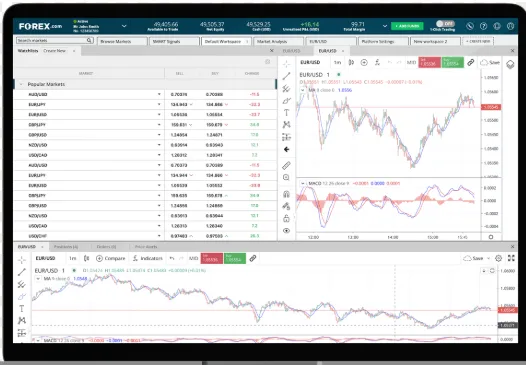
Starting currency trading can feel hard when every trade involves the risk of losing money. Beginners need time to learn how prices move, how orders work, and why markets rise or fall. A forex demo account offers a safe way to learn these skills. It gives new traders a chance to practice with virtual funds instead of real cash. This makes learning less stressful. With regular practice, clear goals, and a simple plan, anyone can build basic trading skills before taking real market risks.
Learn How Demo Trading Works
A demo trading account lets users trade with virtual money in a live market setting. The prices often follow real market data, but no real cash is used. This means beginners can test trades and learn how a platform works without losing their savings. It also helps them see how currency pairs change in value. Some trades may go well, while others may fail. Both results offer useful lessons. The key is to treat each trade as a real learning task, not just a game.
Choose A Suitable Trading Platform
A good platform can make the learning process much easier. Beginners should look for a clean layout, clear price charts, simple order tools, and easy account access. It is also wise to check if the platform offers useful learning guides and basic market data. A demo account in forex should give enough tools to test common trade types. Avoid picking a platform only because it looks good. Take time to explore its main features, check how orders work, and see if the tools feel easy to use.
Start With Major Currency Pairs
New traders should begin with a few major currency pairs rather than trying to follow every market. Pairs such as EUR/USD, GBP/USD, and USD/JPY are common choices. These pairs often have high trading activity, which can make price moves easier to study. Each pair reacts to news, interest rates, and changes in the global economy. Watch how these factors affect prices over time. There is no need to place many trades at once. Focus on one or two pairs and learn their usual price patterns first.
Practice With A Simple Trade Plan
A simple trade plan helps beginners stay calm and make clear choices. Before opening a trade, decide which currency pair to watch, the price level to enter, and where to exit. Also set a stop loss to learn how traders limit possible losses. Write down why you chose each trade. Later, check if your reason was sound or based on a quick guess. Small steps like these build good habits. A clear plan can also stop you from making random trades when prices move fast.
Track Each Trade And Result
Keeping a trade record is a useful part of practice. Write down the date, currency pair, entry price, exit price, and reason for each trade. Add a short note about what went well and what could be better. This record helps you spot habits that may not be clear at first. You may find that some trades work better at certain times, while others fail due to poor timing. Do not focus only on wins. A loss in a demo account can still teach a useful lesson.
Understand Risk Before Trading Live
Virtual funds can make trading feel easy, but real money brings a very different level of pressure. Beginners should learn about risk before moving to a live account. Study how leverage, spreads, margin, and stop-loss orders work. These tools can affect both gains and losses. Never assume that a good demo result means the same result will happen with real funds. Markets can change without warning. Take enough time to build a steady routine and learn how to manage risk before making any live trade.
Conclusion
A demo account is a useful way to learn currency trading without putting real savings at risk. It gives beginners room to test ideas, study price moves, and build sound habits. Regular practice matters more than quick results. Keep a record, follow a simple plan, and learn from each trade. Before choosing a live account, explore the tools and learning resources at tradewill.com and make sure you understand the risks involved.